Most "automation" fails because it is brittle. It connects App A to App B with a simple "if this, then that" rule, breaking the moment something unexpected occurs. True automation should handle not just the action, but the context and the decision. Zapier Central is built on this premise. It allows you to create an AI-driven agent—a persistent digital employee—that you instruct in plain English to manage complex, multi-step workflows across all your apps. It doesn't just move data; it interprets, decides, and acts based on the goal you set. This is the transition from building pipelines to delegating responsibility.
The inefficiency targeted is not a single task, but the cognitive overhead of managing life's administrative layer: tracking bills, logging expenses, saving receipts, updating calendars, coordinating family schedules. These are not full-time jobs, but they consume part-time attention from your full-time mind. A Zapier Central agent consolidates this scattered load. You define a role for it—like "Household Finance Manager" or "Personal Logistics Coordinator"—grant it secure access to relevant accounts (e.g., your Gmail, Google Sheets, and utility provider portals), and give it a mandate. For example: "Monitor my email for utility bills. Extract the due date and amount, log them in the 'Bills' spreadsheet, and send me a Slack reminder three days before each is due." The agent then executes this forever, without fatigue or forgetfulness.
Think of traditional automation tools as a network of dumb pipes. You must design every connection and valve. Zapier Central provides a smart, adaptable valve operator. You tell the operator, "Keep the water pressure in this house steady." It then monitors all the pipes, learns what "steady" means, and adjusts valves as needed, even if you add a new faucet. The AI agent is that operator for your digital life. It can read the content of an email, understand that a flight confirmation has a date and a booking reference, and decide to create a calendar event and post the details to a shared family note—actions that would require multiple separate automations or manual work.
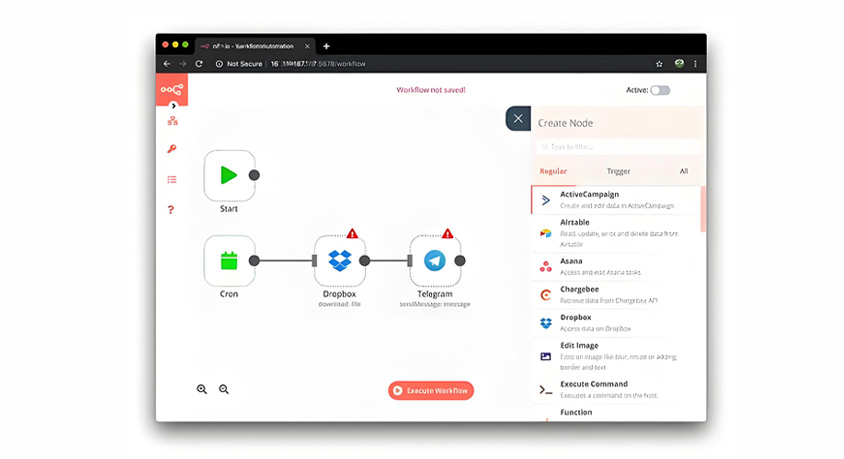
The implementation protocol is a four-step design process. Step 1: Role Definition. Name your agent and define its single, overarching purpose (e.g., "Project Follow-Up Tracker"). Step 2: Permission and Access. Connect the apps it will need, just as you'd give a new hire access to necessary systems. Step 3: Goal Setting. In the AI prompt, describe its goal and parameters in detail. The more specific you are, the better it performs. Step 4: Deployment and Refinement. Activate it. For the first week, review its actions daily to correct misunderstandings. After that, move to weekly audits. Your job becomes oversight, not execution.
This shifts your relationship with technology from operator to executive. You are no longer the person manually copying data from one tab to another. You are the manager who receives a summarized report and makes high-level decisions. The value is the elimination of "switch-tasking"—the constant, context-breaking jumps between life's tiny digital chores. Reclaiming this cognitive space is the ultimate life hack.
To test this, identify one cross-app workflow that irritates you weekly. Perhaps it's manually compiling online orders into an expense tracker. Build a simple Zapier Central agent for that single task. The moment you see a new row appear in your spreadsheet without your direct input, you will understand the shift. You haven't automated a task; you've hired a permanent, cost-free employee to own a piece of your mental load. Stop connecting apps. Start delegating processes. Your new AI manager is waiting for its first job description.